



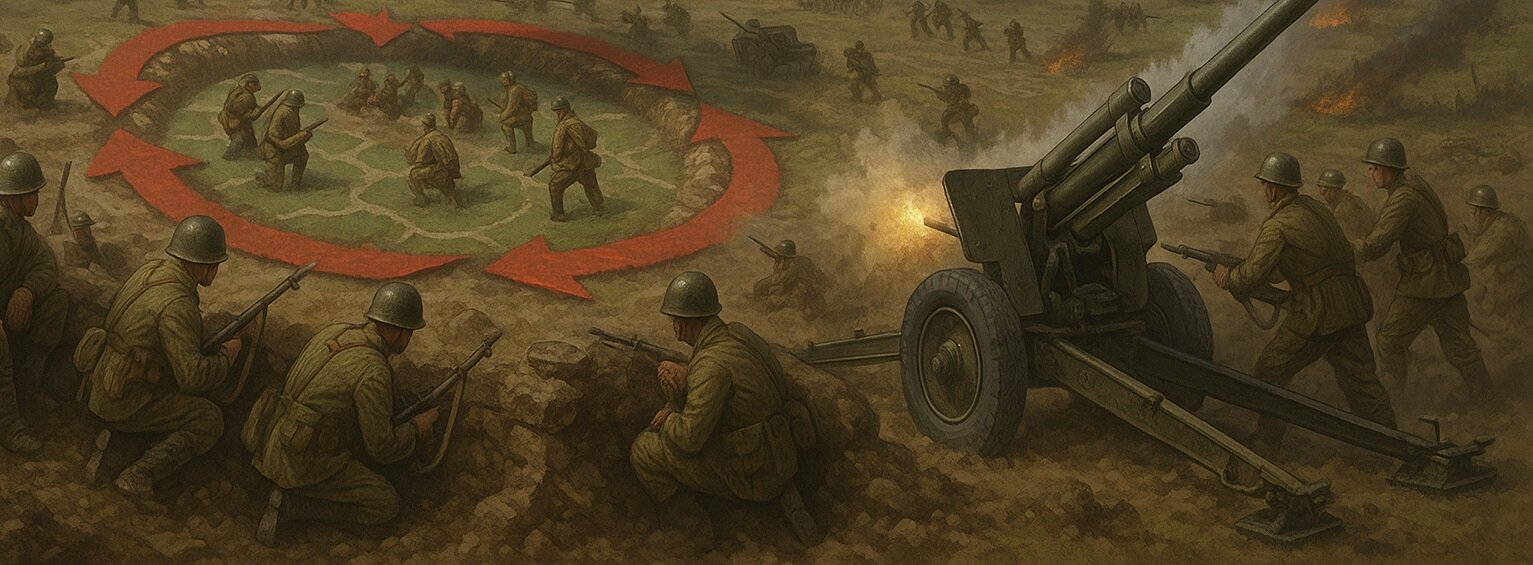

On our game server, based on the IL-2 Sturmovik flight simulator, we strive to create not just aerial combat but also strategic depth comparable to a full-fledged military campaign. One of the key mechanics that enhances this feeling is the "Cauldron" system—encircling enemy garrisons and then destroying or capturing them without a direct assault. This system not only brings realism but also forces teams to think more broadly: planning encirclements, disrupting supply lines, and rescuing allies from the air.
What is "The Cauldron" in the context of Front Line?
A "Cauldron" is a situation in which an enemy garrison (or several garrisons) finds themselves completely surrounded, cut off from land supply routes. This encirclement is created by the coordinated actions of players capturing key points along the perimeter. Unlike standard scenarios, where the front is held by direct confrontation, in the "Cauldron" system, tactical thinking and coordination between pilots and ground units are crucial.
Once encircled, garrisons begin to gradually lose combat strength—with each new mission, they "melt away," losing 30% of their maximum potential. This means that after just three missions, a garrison will lose almost all of its effectiveness. Once its strength drops below 30%, it automatically falls under the control of the side that encircled it, without firing a single shot.
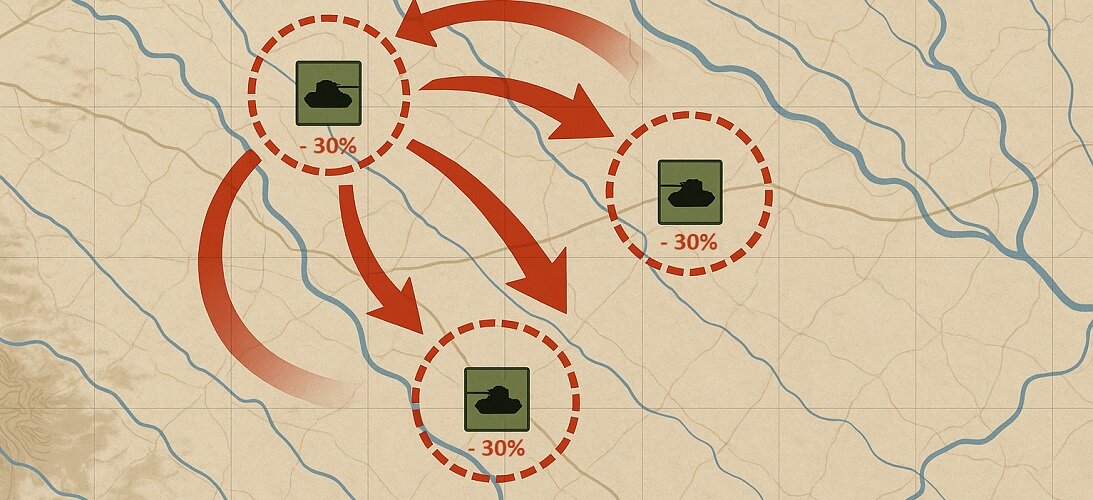
Decreasing the strength of garrisons every mission
Dynamics of weakening of encircled units
Each encircled garrison is like a dying candle. With each mission, its ability to resist diminishes, and if no action is taken, within three missions, one of the weakest encircled garrisons will fall to the enemy. This approach forces players to think not only about the offensive but also about strategic defense, preventing the formation of "cauldrons."
Instead of waiting for a garrison to gradually weaken after each mission, it can be captured much more quickly. If players begin bombing the encircled point, the "melting" process will accelerate significantly. This adds depth to air missions: attack aircraft and bombers can now play a key role in capturing ground targets without the need for infantry.
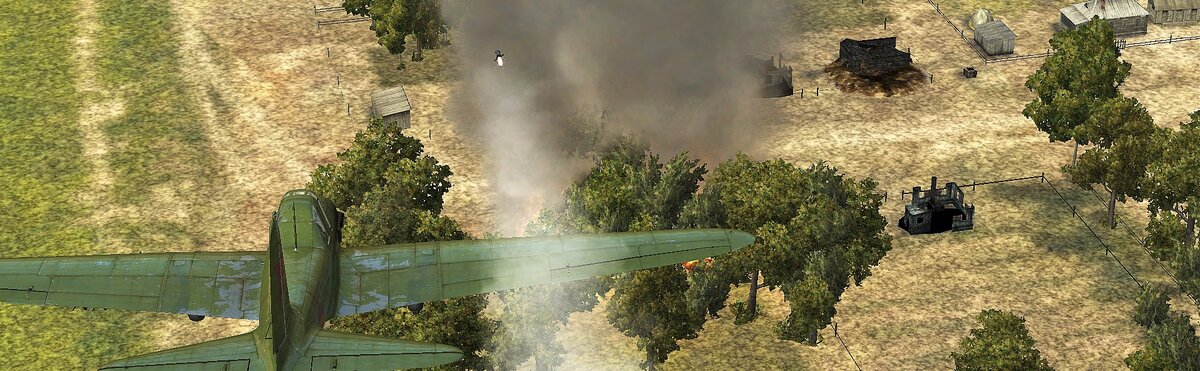
An Il-2 attack aircraft launches a missile strike on an enemy garrison.
Rescuing the besieged is a mission for transport aircraft.
But things aren't so straightforward. Even when surrounded, garrisons can be supported and rescued. In this case, transport aircraft play a crucial role. They can be loaded with any resources—fuel, ammunition, or provisions—and delivered to the garrison, landing right outside the city.
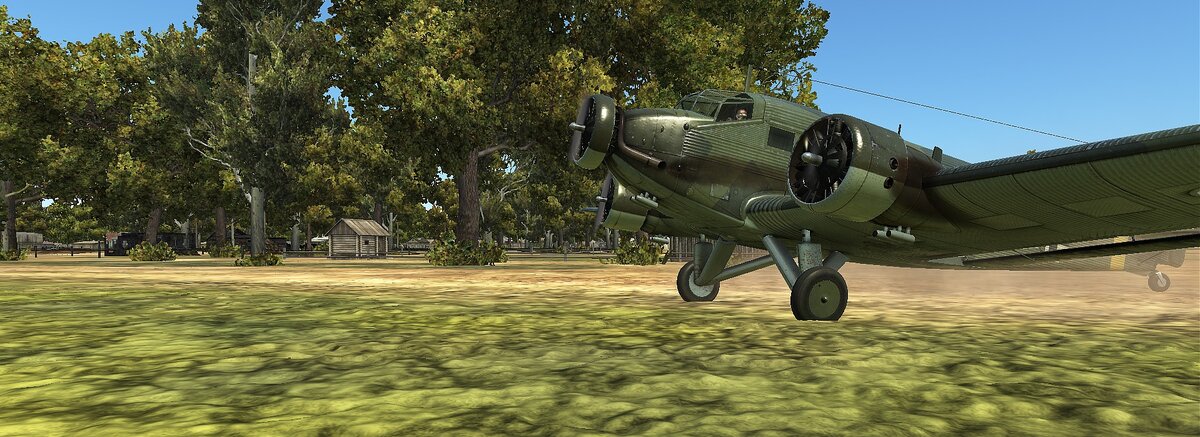
A Ju-52 transport aircraft supplies the garrison.
Each successful supply mission restores 20 garrison strength. This can extend its life for several more missions, giving the team a chance to break through the encirclement, or regroup for a counterattack.
This is where pilot skill comes into play: landing in a combat zone is risky. But it's precisely these missions that forge true heroes and, as experience shows, become key moments in a campaign.
Supply Mechanics: Logistics is More Important Than Bombs
One of the main goals of the entire "Cauldrons" system is to demonstrate that war is not only about destroying the enemy, but also about supplying your troops. Victory is achieved by those who know how to manage resources, plan missions, and think ahead. A pilot who recovers a plane with only a few remaining rounds contributes to victory no less than an ace who shoots down two fighters. This is a team game—and the environment system underscores this perfectly.
Full detailed information on the status of garrisons can be viewed by clicking on the icon on the interactive map.
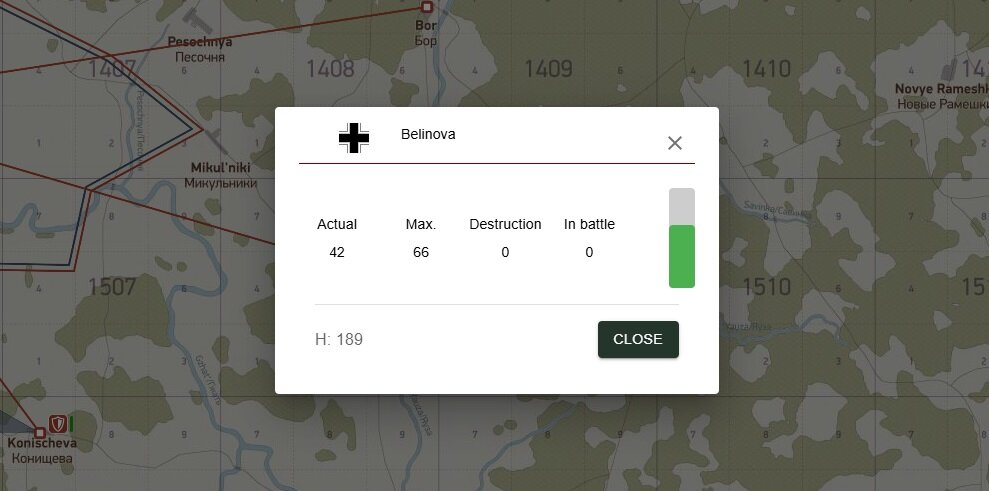
Interface displaying the amount of resources in the garrison
How to avoid being surrounded?
While encirclement is a powerful tool, it's important to be able to prevent it. Teams that closely monitor enemy movements and strengthen their flanks rarely find themselves encircled. But if this does happen, a quick decision must be made: hold the enemy from the air, supplying them until the last minute.
These situations demonstrate the maturity of command and the effectiveness of in-game interactions. Not only pilot skills are crucial here, but also effective communication, timely reports, and coordination between reconnaissance, attack aircraft, and logistics.
Conclusion
The "Cauldron" system on our server is a fully-fledged element of a strategy game, where players face realistic military situations: encirclement, blockade, supply, and tactical decisions. It's not just a set of mechanics, but a living system that reflects the essence of war—not the heroism of individuals, but the coordinated work of a team.
The ability to create and prevent "cauldrons," save your units under fire, and wisely use transport aircraft makes the game deeper, more engaging, and more intense. This is the level of simulation that transforms air warfare into a true military campaign, where each player's impact goes beyond just scoring.
Create an account or sign in to leave a review
There are no reviews to display.